

Neurology — Town Hospital
Town Hospital's Neurology department diagnoses and treats nervous-system disorders without surgery — epilepsy, stroke, headache and peripheral-nerve disease — with a dedicated EEG/EMG unit.

What we treat
Neurology at Town Hospital: an overview
Town Hospital's Neurology department in the Fifth Settlement, New Cairo, diagnoses and treats disorders of the nervous system without surgery: the brain, the spinal cord, the peripheral nerves and the muscles, from epilepsy, stroke and headache to Bell's palsy, numbness, tremor, dizziness and multiple sclerosis. Its doctors specialise in general neurology, children's epilepsy, EEG, nerve conduction studies and EMG, and interventional neuroradiology; you will find them in the list of doctors below. Surgery of the brain and spine belongs to the separate Neurosurgery department, and the two departments work together whenever a case needs a surgical opinion.
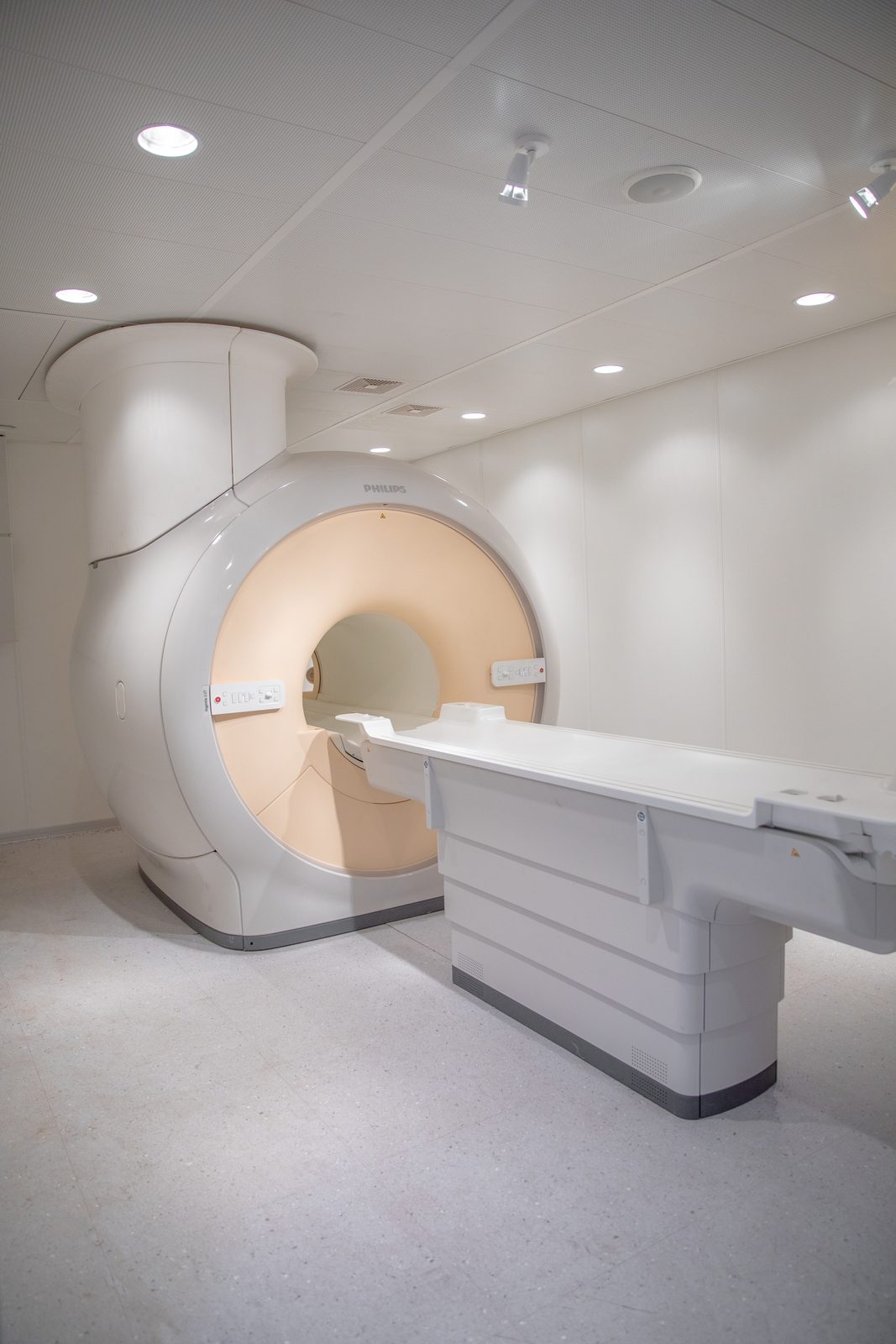
The tests a neurologist needs are available in the hospital: an EEG and EMG unit, a 3-Tesla MRI scanner, a 128-slice CT scanner and a laboratory open 24 hours a day. The emergency department and radiology also run 24 hours a day, and the outpatient clinics are open every day from 10 am to 10 pm; each neurologist's clinic days and times are in the up-to-date clinic schedule.
Conditions the neurology department looks after
The diagnosis and the choice of treatment remain the neurologist's decision after the consultation and tests. These are the conditions patients most often come to the department with.
Bell's palsy (facial nerve palsy)
The facial nerve, the seventh cranial nerve, moves the muscles of the face. When it becomes inflamed, in what is called Bell's palsy, one side of the face weakens suddenly over hours or a day or two: the corner of the mouth droops, the eye will not close properly, the forehead on that side stops wrinkling, and there may be pain behind the ear or a change in taste. The usual cause is swelling of the nerve inside its narrow bony canal; it is a recognised medical condition with a treatment, not the result of cold air, a particular food or the evil eye, and it is not life-threatening. The diagnosis is usually made on examination alone; nerve studies or a scan are requested if the picture is unusual or recovery is slow. Treatment relies on a short course of corticosteroids started within the first few days, sometimes with an antiviral, together with lubricating drops and covering the eye at night, and facial exercises. Most people recover completely within weeks to three months. What matters is telling it apart from a stroke: Bell's palsy affects the whole of one side of the face, forehead included, whereas a stroke usually spares the forehead and comes with weakness of the arm or leg, or trouble with speech or vision; if any of those appears with a drooping face, call an ambulance straight away.
Epilepsy and seizures in adults and children
A seizure is a sudden burst of abnormal electrical activity in the brain: convulsions of the whole body with loss of consciousness, a brief blank spell, or involuntary movements of one part of the body. A single seizure does not necessarily mean epilepsy; in young children a fever can cause one, and so can a disturbance of blood sugar or salts or lack of sleep. Epilepsy is the tendency to have repeated seizures without an immediate trigger. Diagnosis relies on a careful description of what happened, from the patient and from anyone who saw it, then an EEG, which helps identify the type of seizure, an MRI to look for a cause in the brain, and blood tests. Treatment starts with anti-seizure medicines, chosen by the doctor according to the seizure type and the patient's age; they control the seizures in most patients and are never stopped or adjusted except on the doctor's decision. The department includes a consultant in children's epilepsy and an EEG clinic. When seizures continue despite more than one suitable medicine, the epilepsy is called drug-resistant and other options are discussed, including epilepsy surgery: Town Hospital's epilepsy surgery programme was the first in Egypt to use the SEEG technique for pinpointing the source of seizures, in November 2025. The details are on the epilepsy surgery page.
Stroke and transient ischaemic attack (TIA)
A stroke happens when the blood supply to part of the brain is cut off by a blocked artery, or when an artery bleeds inside the brain. The symptoms appear suddenly: a drooping face, weakness or numbness of an arm or leg on one side, difficulty speaking or understanding, or sudden loss of vision or balance. Time is the deciding factor: clot-dissolving treatment can only be given within the first hours after the symptoms begin, and every minute of delay means more brain cells lost. Call an ambulance the moment you notice any of these signs, and note the time they started, because the doctor will ask. A transient ischaemic attack, or mini-stroke, is the same symptoms resolving within minutes or hours; it is a serious warning of a full stroke and needs assessment the same day. An immediate CT scan tells a blockage from a bleed; an MRI and tests of the heart and arteries then find the cause. At Town Hospital, clot-dissolving treatment is given in the emergency department 24 hours a day to patients who meet its conditions within the first hours, and in selected cases the clot is removed by cerebral catheterisation. Treatment then continues with antiplatelet or anticoagulant medicines, control of blood pressure, blood sugar and cholesterol, and a rehabilitation plan guided by the treating team. The hospital offers interventional neuroradiology by cerebral catheterisation for brain aneurysms and arteriovenous malformations (AVM), and for stroke in selected cases, and has an intensive care unit and a neurosurgeon on call 24 hours a day for the cases that need them.
Headache and migraine
Headache is one of the commonest reasons to see a neurologist, and most of it is benign: tension-type headache, which feels like a band of pressure around the head, and migraine, which comes in attacks of throbbing pain, often on one side, with nausea and sensitivity to light and sound. Headache is diagnosed by examination and careful questioning about its pattern; most patients need no scan, and an MRI or CT is requested when there are warning signs. Treatment includes medicines for the acute attack and, for frequent attacks, preventive medicines whose class the doctor chooses, together with avoiding triggers such as lack of sleep, missed meals and stress, and not overusing painkillers, which by itself causes a daily headache. The warning signs that must not wait: a sudden severe headache that peaks within seconds or a minute; headache with fever and a stiff neck; headache with weakness, numbness, or trouble with speech or vision; headache after a head injury; a new headache that worsens day by day or wakes you from sleep; and a first headache after the age of fifty.
Numbness, tingling and peripheral neuropathy
Numbness and tingling in the hands or feet has many causes: pressure on a single nerve, such as the median nerve at the wrist in carpal tunnel syndrome; pressure on a nerve root in the neck or lower back from a slipped disc; or peripheral neuropathy, which affects the feet first and then the hands, most often from diabetes, vitamin B12 deficiency, thyroid disorders or certain medicines. Diagnosis relies on the neurological examination, blood tests, nerve conduction studies and EMG, which measure how fast the signal travels along the nerve and locate the damage, and an MRI when pressure on a nerve root is suspected. The cause itself is treated first, such as controlling blood sugar or replacing the vitamin, with nerve-pain medicines when needed. Nerve compression that needs an operation, such as a disc pressing on a nerve, is referred to the Neurosurgery department. Sudden numbness or weakness on one side of the body, however, may be a stroke and needs an ambulance.
Tremor and Parkinson's disease
A shaking hand does not necessarily mean Parkinson's disease. The commonest cause is essential tremor, a shake that appears when the hand is in use, holding a cup or writing, and often runs in families; anxiety, stimulants, an overactive thyroid and some medicines also cause tremor. The tremor of Parkinson's disease usually appears while the hand is at rest and lessens with movement, and comes with slowness of movement, stiff muscles, smaller handwriting and a change in the way of walking. The diagnosis is mainly clinical; thyroid tests or an MRI may be requested to rule out other causes. Parkinson's disease is treated with medicines that replace the brain's missing dopamine or mimic its action, adjusted over time, together with physical activity and exercises for walking and balance guided by the treating team; essential tremor is treated with medicines of other classes when it interferes with daily life.
Dizziness and poor balance
"Dizziness" covers several sensations: a feeling that the room is spinning (vertigo), light-headedness and near-fainting, or unsteadiness when walking. Most spinning vertigo comes from the inner ear, such as benign positional vertigo, set off by a change in head position and lasting seconds, and vestibular neuritis, which causes continuous vertigo for days. Dizziness can also come from low blood pressure, a heart rhythm problem, anaemia or a medicine, and less often from the brain itself. The neurologist tells these apart by examination and simple tests in the clinic, requests an MRI when there are other neurological symptoms, and works with the ENT and cardiology teams as needed. For benign positional vertigo, simple head movements performed by the doctor in the clinic to move the inner-ear crystals back into place may be enough; other causes need short-term medicines and balance exercises. Sudden dizziness with double vision, difficulty speaking or swallowing, or weakness of a limb is treated as a stroke until proven otherwise and needs an ambulance.
Neurology tests in the hospital
- EEG (electroencephalogram): small electrodes on the scalp record the brain's electrical activity; the key test in diagnosing epilepsy and identifying the type of seizure. It is painless and passes no electricity into the head.
- Nerve conduction studies and EMG: measure how fast signals travel along the peripheral nerves and the activity of the muscles; used in numbness, weakness, carpal tunnel syndrome, neuropathy and Bell's palsy. You feel small pulses during the test.
- 3-Tesla MRI: the detailed scan of the brain and spinal cord, requested in epilepsy, multiple sclerosis, headache with warning signs and stroke; it can also image the brain's arteries, often without contrast dye.
- 128-slice CT: the fast scan done first in the emergency department when a stroke, a bleed or a head injury is suspected.
- Blood tests: blood sugar, vitamins, thyroid function, salts and, when needed, the level of anti-seizure medicines, in a laboratory open 24 hours a day.
You will find these tests, with the other imaging and laboratory services, on the Diagnostics page.
When you need emergency care straight away
Call an ambulance straight away, do not wait for the symptoms to pass and do not drive yourself, for:
- The signs of a stroke: a sudden drooping face, weakness or numbness of an arm or leg on one side, sudden difficulty speaking or understanding, or sudden loss of vision or balance, even if the symptoms go away after a few minutes.
- A first-ever seizure, a seizure lasting more than five minutes, repeated seizures without regaining consciousness in between, or a seizure in water, with an injury, or during pregnancy.
- The worst headache of your life, starting suddenly and peaking within seconds or a minute, or a headache with fever and a stiff neck or with confusion.
- Sudden confusion or difficulty waking someone, or a head injury followed by repeated vomiting, marked drowsiness or a seizure.
During a seizure, turn the person onto their side, move away anything that could hurt them, do not put anything in their mouth or try to hold them down, and time the seizure. Town Hospital's emergency department is open 24 hours a day, with CT, the laboratory and the intensive care unit.
Your care, step by step
- Consultation: the doctor listens to the description of the symptoms and who witnessed them, asks about chronic illnesses, medicines and family history, and examines strength, sensation, balance and reflexes.
- Tests: the EEG, nerve conduction studies and EMG, MRI, CT or blood tests your case needs, all done in the hospital.
- Decision: the doctor explains the diagnosis, the treatment options and how long treatment is expected to take; the decision is made together with you, and anyone who needs a surgical opinion or a catheter procedure is referred to the relevant team within the hospital.
- Treatment: usually medicines, with clear instructions on the dose and when to contact the doctor; acute cases are admitted when needed.
- Follow-up: regular visits to assess the response and adjust treatment; never stop a medicine on your own, especially anti-seizure and blood-thinning medicines.
The hospital is contracted with more than 40 payers, including insurance companies, professional syndicates and government bodies, and cover depends on the payer and the terms of the contract.
What our patients say on Google
Five-star reviews written by Town patients and their families on Google Maps
This comment is perhaps the least I can do to express my gratitude and thanks to all the medical staff at the hospital, especially Dr. Ahmed Al-Qai'i and the entire neurology team. I've never seen such a dedicated team; they treat every …Translated by Google
A successful choice of Town Hospital from admission to discharge. A successful team, including reception, security, nursing, and doctors. Special thanks to Mr. Akrami, Dr. Mustafa Abdel Halim, the entire operating room team, and the ward …Translated by Google
A wonderful hospital! It was my first time there. The emergency service was outstanding. I want to thank Dr. Islam, Ms. Shaimaa, and Mr. Ahmed very much for their excellent treatment of my grandson and for convincing him to get checked …Translated by Google
I thank Dr. Mahmoud Shehata and the nursing staff, Saad Ayman Bassiouni and Professor Fawzi from the catheterization department, for their care before, during, and after the operation. I want to thank you from the bottom of my heart for …Translated by Google
A wonderful, quiet hospital where all the staff demonstrate a high level of professionalism; I highly recommend using their services.
A very reputable hospital, and Dr. Ahmed Saeed, a cardiologist, is extremely respectable and excellent. Mr. Ibrahim from the emergency department and Ms. Tayseer are also very, very respectful and cooperative.Translated by Google
Frequently Asked Questions
Is Bell's palsy serious, and will it go away?
Bell's palsy, a sudden weakness of one side of the face caused by inflammation of the facial nerve, is not life-threatening. Most people recover completely within weeks to three months, and some need longer. The chances of full recovery are better when treatment starts within the first few days: usually a short course of corticosteroids prescribed by the doctor, together with protecting the eye with lubricating drops and covering it at night because it does not close well, and exercises for the facial muscles. There is no forbidden food and no vitamin that treats it on its own, cold air has no proven link to it, and it has nothing to do with the evil eye. So see a neurologist the same day a sudden facial droop appears. It differs from a stroke in that the forehead is affected too, so the person cannot wrinkle it; a stroke usually spares the forehead and comes with weakness of the arm or leg or trouble speaking, and then you call an ambulance straight away.
Does an EEG hurt, and how do I prepare for it?
An EEG causes no pain and passes no electricity into the head; it only records the brain's own electrical activity through small electrodes attached to the scalp with a paste, and the recording takes around half an hour to an hour. To prepare, wash your hair beforehand and use no oil or gel, eat normally, and do not stop your medicines unless the doctor tells you to. In some cases the doctor asks you to sleep less the night before, because sleep during the recording shows changes that do not appear when you are awake. The result is read by a doctor who specialises in EEG, and it is always interpreted together with the description of the seizures, never on its own.
What should I do if someone near me is having a stroke?
Call an ambulance straight away at any sign of a stroke: a sudden drooping face, weakness or numbness of an arm or leg on one side, sudden difficulty speaking or understanding, or sudden loss of vision or balance. Note the time the symptoms started, or the last time the person was normal, because clot-dissolving treatment can only be given within the first hours and the doctor will ask for that time. Do not give the person food, drink or any medicine, and do not wait for the symptoms to pass: even symptoms that disappear within minutes are a warning of a full stroke and need assessment the same day. Town Hospital's emergency department is open 24 hours a day, with CT and MRI, and gives clot-dissolving treatment to patients who meet its conditions.
Does numbness in my hands and feet need a neurologist?
Yes, if the numbness is recurrent, persistent or getting worse, or comes with muscle weakness, burning pain or poor balance. It has many causes, from pressure on a nerve at the wrist or on a nerve root in the neck or back, to peripheral neuropathy caused by diabetes, vitamin B12 deficiency, thyroid disorders or certain medicines. The doctor finds the cause with a neurological examination, blood tests and nerve conduction studies with EMG, which measure how fast the signal travels along the nerve, and then treats the cause itself first. Sudden numbness or weakness on one side of the body, however, may be a stroke and needs an ambulance straight away.
When is a headache dangerous and an emergency?
Most headaches are benign, but some signs need emergency care straight away: a sudden severe headache that peaks within seconds or a minute, a headache with fever and a stiff neck, a headache with weakness, numbness, trouble with speech or vision or confusion, or a headache after a head injury. Other signs call for a neurologist soon, without delay: a new headache that gets worse day by day, one that wakes you from sleep, one that starts for the first time after the age of fifty, or a headache that needs painkillers on more than two or three days a week, because overusing painkillers by itself causes a daily headache. Most patients need no scan; the doctor requests one when there is a warning sign.
What is distinctive about epilepsy care at Town Hospital?
The neurology department includes a consultant in children's epilepsy and an EEG clinic inside the hospital, so the type of seizure is diagnosed and the right medicine chosen in one place, and medicines control the seizures in most patients. When seizures continue despite more than one suitable medicine, the epilepsy is called drug-resistant, and the department then works with the neurosurgery department in the epilepsy surgery programme, which was the first in Egypt to use the SEEG technique, in November 2025; SEEG pinpoints the source of the seizures in the brain before surgery. The decision to operate is a shared one after a full assessment, and it is not suitable for every case.